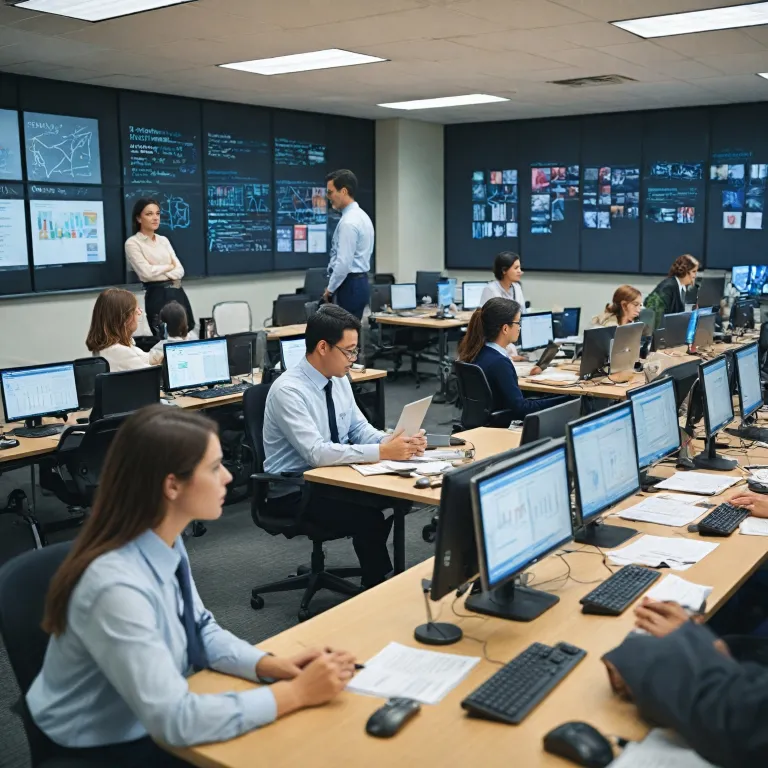
Understanding the evolving landscape of light industrial staffing
Shifting Demands in Light Industrial Staffing
The landscape of light industrial staffing is undergoing rapid transformation. Companies in the industrial sector are facing new challenges as they strive to maintain workforce stability while responding to evolving market demands. The need for flexibility in hiring and operational efficiency has never been higher, especially as businesses adapt to unpredictable supply chains and fluctuating consumer trends.
Today’s workforce trends show a growing emphasis on temporary and contract roles, with staffing agencies playing a pivotal role in connecting job seekers to industrial jobs. Employers are increasingly relying on staffing solutions that can quickly scale up or down, depending on production cycles and seasonal peaks. This shift is driving the adoption of innovative staffing services designed to attract top talent and fill skilled roles efficiently.
Key Drivers Behind Workforce Changes
- Increased demand for skilled workers: As manufacturing processes become more complex, the need for workers with specialized skills is rising.
- Emphasis on safety and compliance: Companies are prioritizing safety, making it essential to hire workers who are trained and adaptable to new protocols.
- Technology integration: The adoption of digital tools is changing how staffing agencies and employers manage recruitment and workforce strategy.
- Focus on workforce flexibility: Businesses are seeking staffing services that offer quick access to talent for both short-term and long-term needs.
These trends are shaping the way industrial staffing agencies and employers approach hiring and workforce management. The ability to respond to these changes is critical for maintaining operational efficiency and meeting production goals.
For a deeper dive into how these shifts are influencing the future of HR in the industrial sector, explore this analysis of HR evolution in industrial staffing.
How HR analytics is transforming recruitment strategies
Data-driven hiring: A new era for industrial staffing
In the light industrial sector, staffing solutions are evolving rapidly. HR analytics is at the heart of this transformation, offering companies a way to make smarter, faster, and more flexible hiring decisions. By leveraging data, businesses can better match talent to roles, improve workforce stability, and respond to changing operational needs.
Today’s workforce trends show that employers are under pressure to fill industrial jobs quickly, while maintaining high standards for safety and skills. HR analytics helps staffing agencies and companies identify top talent by analyzing patterns in job seeker behavior, workforce performance, and hiring trends. This approach reduces guesswork and supports long-term workforce strategy.
- Predictive analytics helps forecast staffing needs based on production cycles and seasonal demand in manufacturing and industrial environments.
- Sentiment analysis uncovers worker satisfaction and engagement, which is crucial for retaining skilled workers and reducing turnover. For more on this, see sentiment analysis trends in HR.
- Skills mapping enables businesses to identify gaps in their workforce and target training or recruitment efforts where they are needed most.
Driven recruitment strategies are now essential for companies seeking flexibility and resilience. By using analytics, employers can adapt to workforce trends, anticipate shifts in the staffing industry, and ensure they have the right people in the right roles. This not only benefits businesses but also creates better opportunities for job seekers looking for temp hire or long-term industrial jobs.
As the staffing industry continues to innovate, HR analytics will remain a key driver in optimizing staffing services and supporting the operational goals of light industrial companies.
Key metrics to track for effective workforce management
Metrics that Matter for Light Industrial Staffing Success
In the fast-paced world of light industrial staffing, tracking the right metrics is crucial for workforce stability and operational efficiency. Employers and staffing agencies are increasingly relying on HR analytics to make data-driven decisions that impact everything from hiring to long-term workforce strategy. What should companies monitor to stay ahead in the staffing industry?- Time-to-fill: Measures how quickly open industrial jobs are filled. A shorter time-to-fill means businesses can maintain productivity and flexibility, especially during peak demand periods.
- Turnover rate: High turnover in light industrial roles can disrupt operations and increase costs. Monitoring this helps identify trends and address root causes, such as job satisfaction or safety concerns.
- Absenteeism: Frequent absences can signal issues with engagement, safety, or work conditions. Tracking absenteeism rates helps employers adjust staffing solutions and improve workforce stability.
- Quality of hire: Evaluates how well new workers perform and fit within the company. This metric is essential for ensuring that temp hires and permanent staff contribute to operational goals.
- Skills gap analysis: Identifies where current talent falls short of business needs. This allows for targeted training and smarter hiring, especially important in the manufacturing and industrial sectors.
- Safety incidents: Safety is a top concern in light industrial environments. Tracking incidents helps companies refine their staffing strategies and training programs to protect workers and reduce downtime.
Addressing skills gaps with targeted analytics
Pinpointing and Closing Skills Gaps in Light Industrial Staffing
The industrial sector is experiencing rapid changes, and the need for skilled workers in light industrial roles is more pressing than ever. As companies strive to maintain workforce stability and operational efficiency, addressing skills gaps has become a top priority for employers and staffing agencies alike. Today, HR analytics plays a crucial role in identifying where these gaps exist and how to bridge them. By leveraging data-driven recruitment and workforce trends, businesses can:- Map current workforce skills against evolving job requirements
- Spot shortages in high-demand roles, such as machine operators, assemblers, and warehouse staff
- Forecast future needs based on manufacturing trends and seasonal demand
- Tailor training and upskilling programs to meet specific operational needs
The role of technology in optimizing staffing solutions
Smart Tools for a Dynamic Workforce
Technology is now at the heart of modern staffing solutions in the light industrial sector. Employers and staffing agencies are using advanced platforms and analytics tools to manage workforce trends, improve hiring processes, and ensure operational efficiency. These tools help businesses respond quickly to shifts in demand, which is crucial for industries where flexibility and speed are key.
- Automated scheduling systems match skilled workers to open roles, reducing manual errors and saving time.
- Real-time workforce analytics give companies a clear view of staffing levels, absenteeism, and productivity, allowing for fast adjustments.
- AI-driven recruitment platforms help identify top talent by analyzing large pools of job seekers and matching them to specific industrial jobs.
Enhancing Safety and Compliance
Technology also plays a critical role in maintaining safety and compliance in light industrial environments. Digital onboarding and training platforms ensure that workers are properly prepared for their roles, reducing risks and supporting workforce stability. Automated compliance tracking helps businesses stay up to date with regulations, which is especially important in manufacturing and other high-risk sectors.
Supporting Long-Term Workforce Strategy
With the rise of data-driven recruitment, companies can now forecast staffing needs more accurately. This supports long-term planning and helps address skills gaps before they impact operations. By leveraging workforce analytics, employers can identify trends watch areas, such as emerging skills or changes in job demand, and adjust their hiring strategies accordingly.
Overall, the integration of technology into staffing services is transforming how the industrial sector approaches talent management. From temp hire to permanent placements, these innovations are helping businesses stay competitive and responsive in a rapidly changing market.
Future outlook: preparing for ongoing changes in staffing
Adapting to a Rapidly Changing Workforce Environment
The light industrial staffing industry is experiencing continuous transformation, shaped by evolving workforce trends and new technologies. Companies in the industrial sector must stay agile to respond to changing hiring trends, skills requirements, and workforce expectations. Flexibility is now a core component of any effective workforce strategy, as businesses strive to balance operational needs with the demands of today’s workforce.Building Resilience Through Data-Driven Decision Making
HR analytics is increasingly central to workforce stability and long-term planning. By leveraging data from staffing services and workforce analytics, employers can identify patterns in job turnover, skills gaps, and talent shortages. This enables more proactive approaches to temp hire, permanent placements, and upskilling initiatives. Companies that prioritize data-driven recruitment are better positioned to attract top talent and maintain high safety and productivity standards in their industrial jobs.Preparing for the Next Wave of Staffing Trends
Looking ahead, the staffing industry will need to address several key challenges:- Adapting to automation and digitalization in manufacturing and industrial roles
- Meeting the demand for skilled workers in a competitive job market
- Ensuring workplace safety and compliance as operational models evolve
- Supporting workforce diversity and inclusion in staffing solutions
Strategic Actions for Future-Ready Staffing
To remain competitive, companies should:- Regularly review and update their workforce strategy based on analytics insights
- Partner with staffing agencies that offer advanced analytics and driven recruitment services
- Focus on continuous learning and development to address skills gaps
- Embrace flexible staffing models to respond to fluctuating industrial demands
