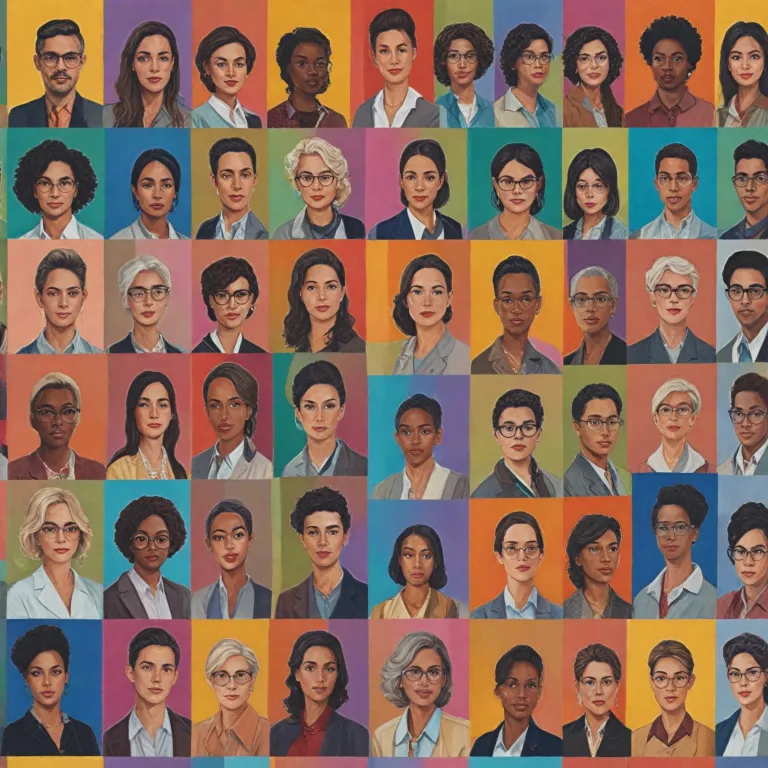
What intersectionality means in the workplace
Recognizing the Layers of Identity at Work
Intersectionality is a concept that helps us understand how people’s experiences in the workplace are shaped by the combination of their social identities. These identities include race, gender, age, health, and more. The term was introduced to highlight how women, especially black women, often face unique challenges that cannot be explained by looking at just one aspect of their identity, such as gender or race alone. Instead, it’s the intersection of these identities that creates distinct experiences and, sometimes, inequities.
In the context of human resources, understanding intersectionality means recognizing that employees are not defined by a single characteristic. For example, the experiences of black women in the workplace are influenced by both their race and gender, and these factors interact in ways that are different from those experienced by black men or white women. This intersectional lens is essential for building truly inclusive and equitable workplaces.
- Diversity and equity: Intersectionality matters for diversity, equity, and inclusion efforts because it reveals hidden barriers that might affect certain groups more than others.
- Community and belonging: When organizations reflect on intersectionality, they foster a sense of community and belonging for people with multiple, overlapping identities.
- Awareness month: Dedicating a month, such as August, to intersectionality awareness helps HR teams and leaders focus on these complex realities and encourages ongoing learning and action.
Intersectionality awareness is not just about recognizing differences. It’s about understanding how these differences combine to shape experiences at work, from hiring to promotions, health benefits, and even lunch breaks. By using an intersectional approach, HR professionals can better identify inequities and design strategies that support all employees, not just the majority or most visible groups.
For organizations looking to make data-driven decisions that reflect the true diversity of their workforce, integrating intersectionality into HR analytics is crucial. Tools and platforms that support this approach, such as those discussed in how payroll analytics can support intersectional HR strategies, are becoming increasingly important for equity, diversity, and inclusion initiatives.
As we move through intersectionality awareness month and beyond, it’s important for HR professionals to reflect on how intersectional identities shape workplace experiences and outcomes. This understanding lays the foundation for more effective analytics, policy development, and ultimately, a more inclusive organizational culture.
Why intersectionality awareness month matters for HR analytics
Why intersectionality awareness shapes HR analytics
Intersectionality awareness month in August is a timely reminder for HR professionals to reflect on how different identities—such as race, gender, and health—interact in the workplace. Understanding intersectionality is not just about recognizing diversity; it’s about using an intersectional lens to analyze how people’s experiences are shaped by the combination of their social identities. This is especially important for black women and other groups whose experiences often go unnoticed when only single categories like gender or race are considered.
HR analytics teams have a responsibility to move beyond surface-level diversity inclusion metrics. By integrating intersectionality into analytics, organizations can uncover patterns of inequity that might otherwise remain hidden. For example, analyzing data on women in leadership is valuable, but breaking it down by race gender and other identities reveals deeper insights into equity diversity gaps. This approach aligns with the foundational work on intersectionality history and the ongoing need to address inequities in the workplace.
- Equity and inclusion: Intersectionality awareness helps HR teams identify where equity efforts are falling short, especially for people with multiple marginalized identities.
- Better decision-making: Using an intersectional lens in analytics supports more informed decisions about hiring, promotions, and health benefits, ensuring that policies reflect the real experiences of the workforce.
- Community and culture: Recognizing intersectional experiences fosters a sense of belonging and community, which is vital for employee engagement and retention.
Intersectionality awareness month is also an opportunity for HR teams to participate in news events, lunch discussions, and training sessions that deepen their understanding of intersection multiple identities. This ongoing learning is essential for building a culture where everyone’s experiences are valued and where diversity inclusion is more than a checkbox.
For a deeper dive into how data can be leveraged to support intersectional equity, explore how tabulated data transforms human resources analytics.
Challenges in collecting intersectional data
Barriers to Gathering Intersectional Workforce Data
Collecting data that truly reflects intersectionality in the workplace is not as straightforward as it might seem. Human resources teams often face several obstacles when trying to capture the full spectrum of identities and experiences, especially during intersectionality awareness month in August. Understanding these challenges is key to building more effective equity, diversity, and inclusion strategies.
- Complexity of Social Identities: People do not fit neatly into single categories. For example, the experiences of black women in the workplace are shaped by both race and gender, among other factors. Traditional HR data systems are not always equipped to track intersection multiple identities, making it difficult to analyze how overlapping factors like race, gender, and health status influence workplace outcomes.
- Privacy and Sensitivity: Gathering data on sensitive topics such as race, gender, or health can raise privacy concerns. Employees may be hesitant to disclose certain aspects of their identities, especially if they fear negative consequences. This can result in incomplete or inaccurate data, which limits the ability to use analytics to address intersectional inequities.
- Standardization Issues: There is no universal standard for collecting intersectional data. What counts as a relevant identity or experience can vary across organizations, industries, and even countries. This lack of standardization makes it challenging to compare data or track progress over time, especially during awareness campaigns like intersectionality awareness month.
- Resource Constraints: Building the capacity to collect, analyze, and act on intersectional data requires investment in technology, training, and ongoing support. Not all HR teams have the resources to do this effectively, which can slow progress toward equity diversity and inclusion goals.
These challenges highlight the importance of ongoing education and awareness within HR teams. It is crucial to reflect on the history of intersectionality and the work of thought leaders who have shaped our understanding of how social identities intersect. For those interested in how legal frameworks and leave policies intersect with these issues, this guide to ADA leave for HR professionals offers valuable insights.
As organizations continue to mark international days and months dedicated to diversity inclusion, such as August intersectionality awareness month, it becomes increasingly important to address these data challenges. Only then can HR analytics truly support equity and foster a sense of community for all employees, regardless of their unique combination of identities and experiences.
Best practices for integrating intersectionality into HR analytics
Practical Steps for Embedding Intersectionality in HR Analytics
Integrating intersectionality into human resources analytics requires more than just collecting data on gender or race. It means recognizing how multiple identities—such as race, gender, health status, and more—interact to shape unique workplace experiences. This approach is essential for building equity, diversity, and inclusion strategies that reflect the real diversity of your workforce, especially during intersectionality awareness month in August.
- Expand Data Collection: Go beyond basic demographic categories. Include questions that capture multiple social identities, such as race gender combinations, disability, and health status. This helps reveal the experiences of groups like black women or people with intersection multiple identities.
- Use an Intersectional Lens: Analyze data by looking at how different identities overlap. For example, examine outcomes for black women compared to all women or all black employees. This intersectional approach uncovers patterns that single-category analysis might miss.
- Ensure Data Privacy: Collecting more detailed data increases privacy risks. Be transparent about why you collect intersectional data and how it will be used. Protect employee anonymity, especially for smaller groups, to build trust and encourage participation.
- Train HR Teams: Provide training on intersectionality history, concepts like crenshaw intersectionality, and the importance of equity diversity. This helps teams understand why intersectionality matters and how to apply it in analytics and decision-making.
- Engage the Community: Involve employees in shaping data collection and analysis. Host lunch and learn sessions or awareness events during intersectionality awareness month to reflect on experiences and gather feedback. This builds a culture of inclusion and continuous improvement.
By following these practices, HR teams can better understand intersectional inequities and design initiatives that support all employees. Remember, intersectionality is not just a buzzword—it is a framework for understanding the complex realities people face at work. As awareness grows, especially in August intersectionality month, organizations have a responsibility to use analytics to drive real change in diversity inclusion and equity diversity efforts.
Using analytics to address intersectional inequities
Turning Data into Action for Equity and Inclusion
Using analytics to address intersectional inequities means moving beyond surface-level diversity metrics. It requires a deeper look at how different identities—such as race, gender, and health status—interact to shape workplace experiences. This approach helps organizations reflect on the unique challenges faced by groups like black women or people with multiple marginalized identities. Analytics teams can use an intersectional lens to uncover patterns that might otherwise go unnoticed. For example, analyzing promotion rates by both race and gender, rather than just one category, can reveal gaps that traditional reporting misses. This is especially relevant during intersectionality awareness month in August, when organizations are encouraged to reflect on the experiences of diverse communities and take meaningful action.- Segment data by multiple social identities, not just one. This helps highlight intersection multiple factors affecting equity and inclusion.
- Compare outcomes such as pay, advancement, and retention for groups at the intersection of race and gender, or other identities.
- Use findings to inform diversity inclusion strategies, ensuring that initiatives address the needs of all employees, not just the majority.
- Regularly review analytics to track progress and adjust policies for greater equity diversity.
Building a culture of intersectional awareness in HR teams
Fostering Everyday Intersectional Awareness
Building a culture of intersectional awareness in HR teams is not a one-time effort. It requires ongoing commitment, especially during awareness month in August, but also throughout the year. HR professionals must recognize that people bring multiple identities—such as race, gender, and health status—into the workplace. These identities shape unique experiences, especially for black women and others at the intersection of race and gender. Understanding intersectionality, a term rooted in the work of Kimberlé Crenshaw, helps HR teams reflect on how policies and practices impact individuals differently.
Practical Steps for HR Teams
- Regular Training and Reflection: Organize workshops or lunch sessions focused on intersectionality history, diversity inclusion, and equity diversity. Encourage team members to reflect on their own social identities and biases.
- Celebrate Key Dates: Use international day events and the month of August intersectionality awareness to highlight news events and stories from people with diverse backgrounds. This helps build community and keeps intersectional issues visible.
- Encourage Open Dialogue: Create safe spaces for employees to share their experiences, especially those related to intersection multiple identities. Listening to the voices of black women and other marginalized groups is crucial for understanding intersectionality matters.
- Integrate Analytics: Use an intersectional lens when analyzing HR data. This means looking beyond single categories like gender or race, and considering how combinations—such as race gender or health and gender—affect equity and inclusion outcomes.
- Promote Inclusive Leadership: Equip leaders with the tools to recognize and address intersectional inequities. This can involve reviewing policies to ensure they support all employees, regardless of their social identities.
Embedding Intersectionality in Everyday HR Practice
Intersectionality awareness is not just about recognizing differences during awareness month. It’s about embedding equity, diversity, and inclusion into daily HR practices. By consistently applying an intersectional lens, HR teams can better support the well-being and growth of all employees. This approach strengthens the community, fosters belonging, and ensures that everyone’s experiences—especially those at the intersection of multiple identities—are valued and addressed.
