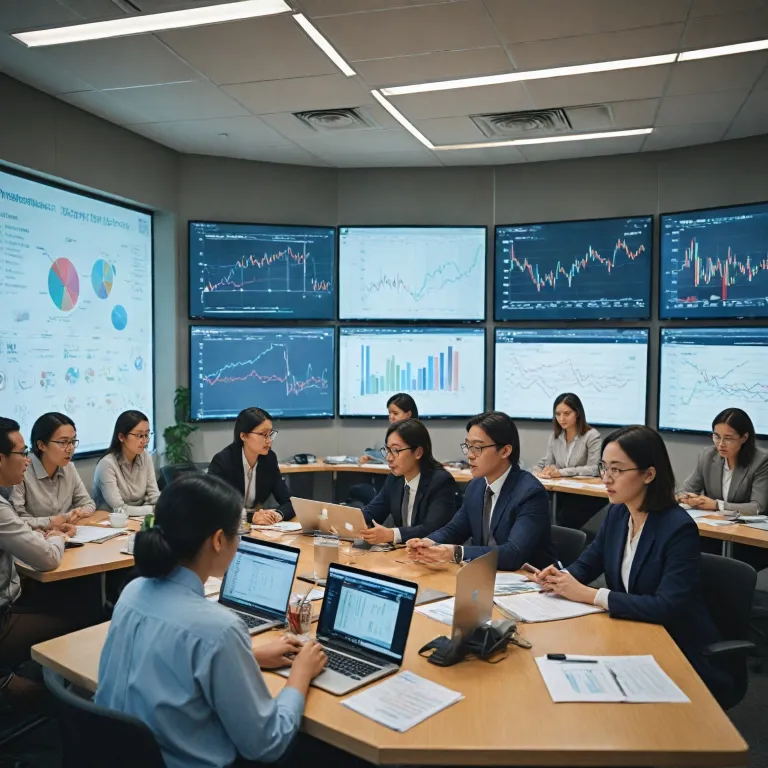
Understanding the role of analytics in hr meetings
Why analytics matter in HR meetings
Analytics are transforming the way human resources professionals approach meetings. Instead of relying solely on intuition or anecdotal feedback, HR teams now use data to guide discussions about employee performance, workplace improvement, and company growth. This shift helps ensure that every meeting has a clear purpose and leads to actionable outcomes.
Connecting data to your meeting purpose
When planning an HR meeting, it’s essential to define the meeting purpose. Whether the focus is on performance management, employee development, or conflict resolution, analytics provide a factual foundation for discussion. For example, reviewing performance evaluations and exit interviews can highlight areas for improvement and help set realistic goals for team members.
- Performance review data helps identify trends in employee growth and training development needs
- Feedback from check ins and action items can inform future training and resources allocation
- Metrics from previous meetings guide the review of progress and set the stage for new action plans
Supporting professional development and improvement
Using analytics in meetings allows HR professionals to provide targeted performance feedback and support employee development. By tracking key metrics, companies can spot opportunities for training, address areas of improvement, and align resources with business goals. This data-driven approach also helps in monitoring the effectiveness of professional development programs and ensures that action items from previous meetings are followed up.
For a deeper dive into how tabulated data can transform human resources analytics, check out this insightful guide on tabulated data in HR analytics.
Key metrics to track before your hr meeting
Essential Data Points for Productive HR Meetings
Before any HR meeting, it’s important to identify which metrics will provide the most value for your team and company. The right data helps ensure the meeting purpose is clear, supports performance management, and drives meaningful action items. Here are some key metrics to consider tracking:
- Employee performance metrics: Review recent performance evaluations, performance feedback, and areas for improvement. This helps guide discussions on employee development and professional growth.
- Attendance and engagement: Track attendance at meetings, participation in training development, and engagement in workplace activities. These metrics can highlight where additional resources or support may be needed.
- Feedback and check-ins: Collect feedback from regular check ins and exit interviews. This data can reveal trends in employee satisfaction and identify opportunities for improvement in the workplace.
- Training and development progress: Monitor progress in training programs and professional development initiatives. This will help measure the effectiveness of your company’s investment in employee growth.
- Conflict resolution and retention: Analyze data on conflict resolution cases and retention rates. Understanding these trends can help shape future action plans and support a positive work environment.
Using these metrics as a foundation, HR meetings become more focused and actionable. They provide a clear view of where the company stands in terms of employee performance, training, and overall workplace improvement. For more on optimizing HR processes, check out this resource on enhancing efficiency with centralized HR services.
Remember, the goal is to use analytics to help team members grow, align with company goals, and ensure every meeting assistant or human resources professional can provide meaningful insights for improvement. By tracking the right data, you set the stage for effective meetings and continuous improvement across your organization.
Integrating analytics into your meeting agenda
Structuring Your Agenda for Data-Driven Discussions
Integrating analytics into your HR meeting agenda can transform routine check-ins into strategic sessions that drive employee development and company growth. The purpose meeting should be clear: use data to support performance management, identify areas improvement, and set actionable goals for the team. Here’s how you can make analytics a natural part of your meeting flow:
- Start with a review of key metrics: Begin by sharing performance feedback and relevant data on employee performance, training development, and workplace engagement. This helps set the context for the meeting and aligns everyone on current progress.
- Allocate time for questions and feedback: Encourage team members to ask questions about the data. This not only clarifies the numbers but also fosters a culture of transparency and continuous improvement.
- Highlight areas for improvement: Use analytics to pinpoint where resources or training might be needed. Discuss trends in performance evaluations, exit interviews, or conflict resolution to identify patterns that require attention.
- Set action items and goals: Every meeting should end with clear action items based on the insights discussed. Assign responsibilities and establish timelines for follow-up, ensuring that analytics lead to real workplace improvement.
- Leverage a meeting assistant: Consider using digital tools or a meeting assistant to capture action plans and track progress over time. This supports ongoing professional development and helps human resources teams provide targeted support.
For more practical tips on using analytics to enhance your HR meetings, check out this guide to navigating human resources analytics. By making analytics a core part of your meeting agenda, you’ll help employees and leaders work together toward meaningful growth and improvement.
Common challenges when using analytics in hr meetings
Barriers to Seamless Data Use in HR Meetings
Bringing analytics into HR meetings can be a game changer for performance management and employee development. However, many companies face obstacles when trying to make data a natural part of their meeting process. Understanding these challenges is essential for turning insights into action and driving workplace improvement.
- Data Overload: Too much information can overwhelm team members. Without clear meeting purpose and focused goals, meetings risk becoming unfocused, making it hard to identify key areas for improvement or create actionable items.
- Lack of Data Literacy: Not all employees or HR professionals are comfortable interpreting analytics. This can lead to confusion during performance reviews, check-ins, or training development discussions, and may prevent meaningful feedback or growth conversations.
- Inconsistent Data Sources: When data comes from multiple systems or is not updated regularly, it can undermine trust in the analytics presented. Reliable resources and a meeting assistant can help ensure data consistency for performance evaluations and exit interviews.
- Resistance to Change: Some employees or leaders may be hesitant to adopt analytics-driven approaches, especially if they are used to traditional review methods. Addressing questions and providing training can help ease this transition and highlight the benefits for employee and company growth.
- Privacy and Confidentiality Concerns: Sharing sensitive performance feedback or workplace data in meetings requires careful handling. Human resources teams must balance transparency with respect for individual privacy, especially during conflict resolution or professional development planning.
Overcoming the Hurdles
To help your team get the most from analytics in HR meetings, consider these strategies:
- Clarify the purpose meeting and align analytics with specific action items.
- Provide training to boost data literacy and confidence among team members.
- Standardize data sources and review processes to ensure reliability.
- Encourage open feedback and address concerns about data use.
- Protect employee privacy while still enabling meaningful performance discussions.
By addressing these common challenges, companies can create a more effective, data-driven approach to HR meetings, supporting ongoing improvement and employee development across the workplace.
Best practices for presenting data during hr meetings
Making Data Understandable for Everyone
Presenting analytics in HR meetings should not feel overwhelming. The goal is to help every team member, regardless of their background, understand what the data means for the company and its employees. Use clear visuals like charts or graphs to show trends in performance, employee development, or areas of improvement. Avoid jargon and focus on what the numbers reveal about workplace growth, training development, or performance management.Connecting Data to Meeting Purpose
Every meeting has a purpose—whether it’s a performance review, check-in, or planning session for training. When sharing analytics, tie the data directly to the meeting purpose. For example, if the meeting is about employee development, highlight metrics related to training completion, feedback scores, or professional development progress. This approach helps keep discussions focused and actionable.Encouraging Questions and Feedback
Invite questions from team members during the presentation. This not only clarifies doubts but also encourages engagement. Feedback from employees can reveal if the data presentation is clear or if more context is needed. It’s important for the meeting assistant or facilitator to create space for open discussion, especially when reviewing performance evaluations or discussing conflict resolution.Highlighting Action Items and Next Steps
After presenting the analytics, summarize key insights and link them to specific action items. For example, if the data shows a need for improvement in a certain department, outline an action plan for additional training or resources. This ensures the meeting leads to real workplace improvement and supports ongoing employee growth.- Use simple visuals to illustrate key metrics
- Relate analytics to the goals of the meeting
- Encourage team members to ask questions
- Summarize insights with clear action items
Supporting Continuous Improvement
Effective data presentation is not just about the meeting itself. It sets the stage for continuous improvement, regular check-ins, and follow-up on action plans. By making analytics accessible and actionable, HR meetings become a driving force for positive change in the company and support the ongoing development of employees.Turning insights into action after the hr meeting
From Data to Action: Making Analytics Drive Real Change
Once your HR meeting wraps up, the real work begins. Turning analytics insights into tangible improvements is what sets effective human resources teams apart. Here’s how you can make sure the data discussed during your meeting leads to meaningful action:- Define clear action items: Assign specific tasks to team members based on the analytics findings. For example, if performance evaluations highlight areas improvement, set up targeted training development sessions or professional development workshops.
- Set measurable goals: Use the metrics discussed to create concrete objectives. Whether it’s reducing turnover, improving employee engagement, or enhancing workplace training, make sure each goal is tied to a performance metric.
- Schedule regular check ins: Don’t let the momentum fade after the meeting. Plan follow-up meetings or quick check ins to review progress on action plans and provide performance feedback. This helps keep everyone accountable and focused on continuous improvement.
- Provide resources and support: Ensure employees have access to the tools and training they need. If analytics reveal gaps in employee development or conflict resolution, allocate resources for coaching or additional learning opportunities.
- Encourage feedback and questions: Create a culture where team members feel comfortable sharing feedback on the action plan. This can surface new insights and help refine your approach to performance management.
- Monitor and review outcomes: Use your analytics dashboard or meeting assistant to track progress. Compare results against the goals set during the meeting. If you notice limited improvement, adjust your strategies and revisit the purpose meeting to ensure alignment with company objectives.
