Why an employee recognition board is a goldmine for HR analytics
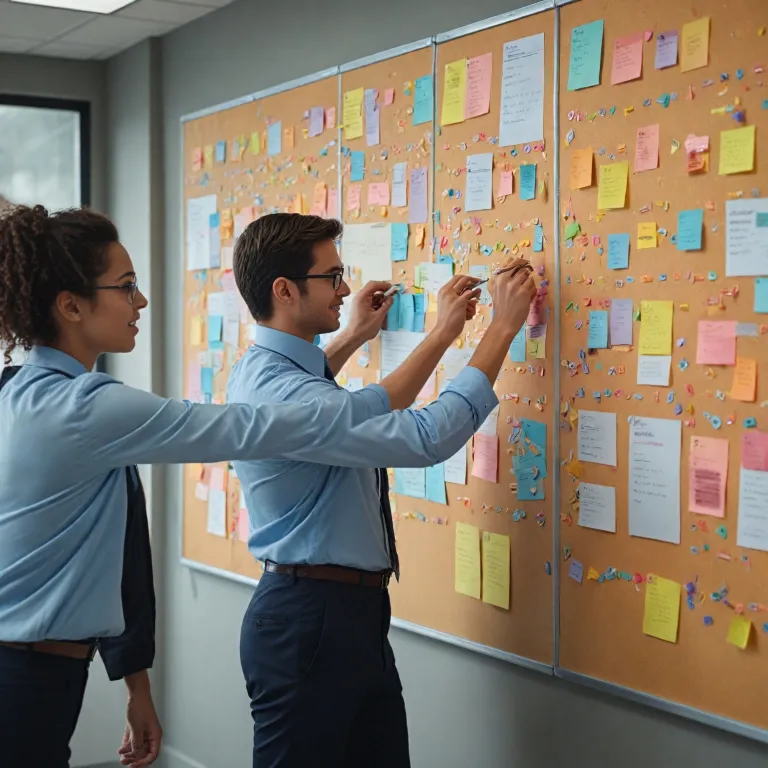
In many offices, the employee recognition board still looks like a simple wall of colorful cards and notes. From an analytics perspective, though, that board is a live data stream about how people work together, what the company really values, and how employees feel about their workplace culture.
When you treat appreciation recognition as structured information instead of just a nice gesture, it becomes a powerful input for human resources analytics. A physical bulletin board, a digital recognition wall, or a hybrid system can all feed into a richer understanding of employee engagement, team dynamics, and even mental health risks at work.
From feel good gesture to measurable signal
Most businesses already celebrate employee achievements in some way. There are cards for work anniversaries, appreciation week activities, recognition awards, or a simple board where team members post thank you notes. The intent is to boost morale and show appreciation. But every card on that recognition board is also a data point.
- Who is giving recognition and who is receiving it ?
- Which teams are most active on the board ?
- What types of achievements are celebrated most often ?
- How does recognition activity change over time or during busy periods at work ?
When you start to log this information, even in a simple spreadsheet, you move from anecdotal stories to measurable patterns. This is where HR analytics can connect the dots between recognition, employee engagement, and performance. It is the same logic used when analyzing employee of the quarter data for smarter HR decisions, but applied to everyday appreciation instead of only formal awards.
Why recognition data is uniquely valuable
Compared with traditional HR metrics, recognition boards capture something different. They show how employees interact with each other in real time, not just how they perform against targets. That makes them a goldmine for understanding the human side of the business.
Some unique advantages :
- High frequency signals – Recognition cards and notes appear daily or weekly, not just during annual reviews. This gives HR a more current view of engagement.
- Peer to peer perspective – Many recognition boards allow team members to celebrate employee contributions directly. This peer view can surface hidden leaders and quiet high performers.
- Context rich stories – The text on each card often explains what happened, who was involved, and why it mattered. This qualitative detail is extremely valuable when combined with quantitative HR data.
- Culture in action – The board shows what the company actually rewards in daily work, not just what is written in values statements. It is a live snapshot of workplace culture.
For HR analysts, this means recognition boards can fill gaps left by surveys, performance ratings, and standard engagement scores. They help explain why some teams thrive while others struggle, even when they have similar resources.
Connecting the board to business outcomes
When you systematically capture data from an employee recognition board, you can start to link appreciation patterns with concrete business outcomes. For example :
- Teams with active recognition boards may show higher employee engagement scores and lower turnover.
- Employees who receive regular appreciation might be more likely to stay after key work anniversaries.
- Offices that celebrate employee achievements consistently may report fewer mental health related absences, because people feel more supported.
Recognition data can also highlight where the company needs to act. If some departments rarely appear on the board, or if only a small group of people receive most of the recognition awards, that can signal issues in leadership, inclusion, or workload distribution.
In later parts of this article, we will look at what to track on recognition boards, how to link this information with other HR metrics, and how to uncover hidden patterns and biases. For now, the key idea is simple : a recognition wall is not just decoration. It is a structured way to observe how appreciation flows through the organization, and that flow has measurable impact on performance and culture.
Turning everyday appreciation into usable data
To unlock this goldmine, HR teams do not need complex tools from day one. Even a basic process can make a difference :
- Photograph or scan the board regularly, especially during appreciation week or peak periods.
- Log simple fields such as date, giver, receiver, team, location, and type of achievement.
- Note whether the recognition is tied to specific events like work anniversaries, project delivery, or cross team collaboration.
Over time, this creates a dataset that can be analyzed alongside engagement surveys, absence data, and performance indicators. Whether your company uses a physical bulletin board, a digital recognition wall, or a mix of both, the principle is the same : every appreciation card is a small but meaningful signal. When collected at scale, those signals show how recognition boards shape workplace culture and how they can be used to support better HR decisions.
What to track on an employee recognition board for meaningful insights
From sticky notes to structured signals
On the surface, a recognition board looks simple : a wall in the office, a digital board, or a bulletin board filled with appreciation cards and notes. But for HR analytics, every card, every message, and every recognition award is a data point. The challenge is to turn this informal stream of appreciation into structured information that can actually guide decisions about engagement, culture, and performance.
To do that, you need to be intentional about what you track. Not to kill the spontaneity of employee appreciation, but to make sure the recognition board quietly supports smarter analysis in the background.
Core data points every recognition board should capture
Whether your recognition board is physical, digital, or a mix of both, these are the basic elements worth tracking consistently. They form the backbone of any serious HR analytics effort around employee recognition.
- Who is recognized (the employee)
- Who gives the recognition (peer, manager, cross team, office staff, leadership)
- Date and time of the recognition card or message
- Type of achievement being celebrated (project delivery, customer service, innovation, collaboration, support for mental health, etc.)
- Channel (physical wall, digital board, hybrid recognition boards)
- Location or team (office, remote, business unit, function)
- Optional reward (gift cards, recognition awards, small perks, free lunch, public shout out)
These fields are simple enough that they do not disrupt the appreciation moment, but they give you a clear view of how recognition flows across the company and how employees feel about the culture of appreciation.
Qualitative content that reveals culture and engagement
The real richness of a recognition board sits in the words people use. The text on appreciation cards, digital notes, or wall posts tells you what the company truly values in day to day work.
For analytics, it is useful to categorize the content of each card into a few themes :
- Behavioral values : collaboration, ownership, empathy, inclusion, support for mental health, mentoring, knowledge sharing.
- Performance outcomes : revenue impact, cost savings, on time delivery, quality improvements, customer satisfaction.
- Moments that matter : work anniversaries, project milestones, crisis handling, onboarding support, appreciation week activities.
You do not need complex natural language processing to start. Even a simple manual or semi automated tagging system can help you see whether the recognition board mostly celebrates individual achievements, team members, office staff, or behind the scenes work that usually goes unnoticed.
Context about the employee and the team
Recognition data becomes far more powerful when you can connect it to basic context about the employee and the team, without exposing sensitive details. This is where HR analytics can move beyond a feel good wall and into real insight about employee engagement and workplace culture.
- Role and level : frontline, specialist, manager, senior leader.
- Team or function : sales, operations, product, HR, finance, office staff.
- Tenure : new hire, mid tenure, long tenure, approaching key work anniversaries.
- Work mode : on site office, hybrid, remote.
Tracking these dimensions lets you answer questions such as : Are new employees getting early appreciation that boosts morale and speeds up integration ? Are long serving employees only recognized during work anniversaries, or also for everyday contributions ? Are some teams consistently underrepresented on the recognition board compared with their size and workload ?
Events, campaigns, and recognition programs
Many companies run specific initiatives around employee appreciation : an annual appreciation week, a quarterly recognition awards ceremony, or a new program to celebrate employee achievements on a rotating basis. These events are valuable markers in your data.
For each campaign or program, track :
- Campaign name and period (for example, Q2 appreciation week, year end recognition awards)
- Type of initiative (peer to peer recognition, manager led, company wide challenge to create more appreciation cards)
- Incentives (gift cards, extra time off, public spotlight on the recognition board employee of the month)
With this structure, you can later analyze whether a campaign actually increased employee engagement with the board, or whether recognition quickly dropped back to previous levels once the event ended.
Frequency, intensity, and visibility of recognition
Beyond the content of each card, the rhythm of recognition matters. A board that fills up for one week and then stays empty for a month tells a different story than a steady stream of appreciation recognition.
Useful metrics to track include :
- Number of recognitions per week or month across the company
- Average recognitions per employee over a defined period
- Distribution across teams : which teams or offices are most active on the recognition board
- Balance of givers and receivers : are the same people always celebrated, or is recognition more evenly spread among employees
These indicators help you understand whether the recognition board is embedded in everyday work or treated as a one off gesture. They also support more advanced analysis, such as linking recognition frequency to retention or performance, which connects directly with broader HR metrics discussed elsewhere in the article.
Milestones and formal recognition moments
Some recognition moments are especially important for HR analytics because they align with formal processes and key employee lifecycle stages.
On the recognition board, make sure you can identify :
- Work anniversaries and milestone years
- Promotions or role changes that are celebrated on the board
- Formal recognition awards such as employee of the quarter, safety awards, innovation awards
These data points can be compared with more structured HR information. For example, if your company already tracks employee of the quarter data for smarter HR decisions, connecting it with recognition board activity can show whether award winners are also consistently appreciated by peers, or mainly visible to leadership.
Capturing the employee experience without over engineering
The goal is not to turn every appreciation card into a complex form. Employees should still feel that the recognition board is a human space where they can celebrate employee achievements, support team members, and express gratitude freely.
In practice, this means :
- Keeping the visible process simple for employees : write a card, post it on the wall or digital board, and optionally select a few quick tags.
- Doing most of the structuring behind the scenes : HR or people analytics teams can code themes, link recognitions to teams, and clean the data.
- Being transparent about why data is collected : to understand engagement, improve workplace culture, and ensure recognition is fair and inclusive.
When done thoughtfully, a recognition board becomes more than decoration in the office. It turns into a living dataset that reflects how people work together, how the company culture shows up in daily behavior, and how appreciation truly flows through the business.
Sources :
– Society for Human Resource Management (SHRM), “Using Employee Recognition Programs to Improve Engagement”
– Gallup, “Employee Recognition: Low Cost, High Impact”
– WorldatWork, “Trends in Employee Recognition”
Linking recognition data with other HR metrics
Connecting recognition data with the rest of your HR stack
When a recognition board lives on its own wall in the office, it is inspiring but limited. The real value for HR analytics appears when you connect what happens on that board with the rest of your people data. You move from “nice stories” about employee appreciation to measurable insights about performance, engagement, culture and even skills.Key data points to link with recognition activity
To make recognition boards analytically useful, you need to treat each appreciation card or digital note as a data point that can be matched with other HR metrics. Here are some of the most powerful links to create :- Performance and goals
Match recognition events with performance ratings, goal completion and project outcomes. If a team member receives frequent appreciation recognition for problem solving or client delivery, check whether this aligns with higher performance scores or faster project completion. This helps you see whether your recognition culture is reinforcing the behaviours your business actually needs. - Engagement and pulse surveys
Compare recognition frequency with employee engagement survey results. Teams that actively use the recognition board or bulletin board often report higher engagement, stronger workplace culture and better relationships with office staff. If a team shows low survey scores but almost no recognition cards on the wall, that is a signal to investigate how appreciation is practiced in that group. - Turnover, retention and internal mobility
Track whether employees who rarely appear on recognition boards are more likely to leave the company or move internally. Consistent recognition awards, especially around work anniversaries or major achievements, can be a leading indicator of retention. On the other side, a lack of appreciation can quietly erode how employees feel about the business long before they resign. - Absence, burnout and mental health indicators
Link recognition data with absence records, overtime and wellbeing surveys. Employees who never see their work celebrated may be at higher risk of disengagement or stress. When you notice a drop in recognition for a team that is under heavy workload, it can be a warning sign for mental health and burnout risks. - Learning, skills and competency data
Recognition cards often describe specific behaviours or skills : mentoring, problem solving, customer care, innovation. When you connect this with your learning records or competency based training programs, you can see which skills are truly visible in day to day work. This helps validate whether training investments are translating into real achievements that colleagues notice and celebrate. - Rewards and compensation
If your company uses gift cards, spot bonuses or formal recognition awards, link these with informal appreciation on the recognition board. You can then test whether formal rewards are aligned with peer recognition, or whether some employees receive financial rewards without visible appreciation from their team members.
From wall of praise to structured recognition data
To make these links possible, you need to capture data from the recognition board in a structured way, even if the board itself stays visual and creative. Some practical approaches :- Tag each recognition card with simple categories such as team, project, value, skill or location. This can be done with small stickers on a physical wall or with dropdown fields in a digital board employee tool.
- Record basic metadata : date of recognition, giver, receiver, type of achievement, and whether it is tied to a specific event like appreciation week, work anniversaries or a major delivery milestone.
- Digitize the wall by taking regular photos or using a simple form where office staff or HR enter the content of new cards. Even a basic spreadsheet that lists each recognition note can be enough to start linking with other HR systems.
- Integrate with HRIS or collaboration tools where possible, so recognition events automatically connect to employee profiles, teams and departments.
Examples of insights when you connect the dots
Once recognition data is linked with other HR metrics, patterns become visible that are almost impossible to see by looking at the wall alone.- Recognition and team performance
You may find that teams with frequent peer to peer appreciation on recognition boards also show higher productivity, better project delivery and stronger customer feedback. This supports the idea that a culture of appreciation boosts morale and performance, not just feelings. - Impact of recognition on new hires
By tracking how quickly new employees appear on the recognition board, you can measure how well they are integrated into the team. Early recognition can be linked with faster ramp up, stronger engagement and lower early turnover. - Effectiveness of recognition campaigns
During appreciation week or a new employee appreciation initiative, you can compare recognition volume and content before and after the campaign. Then link this with short pulse surveys to see whether employees feel more valued, and with performance or attendance data to check for real behaviour changes. - Recognition and development opportunities
When certain employees consistently receive cards for mentoring, problem solving or leadership, this can support decisions about promotions or development programs. It gives HR and managers a broader view than performance reviews alone.
Keeping the human story at the center
Linking recognition data with other HR metrics is not about turning appreciation into a cold scoreboard. It is about using the stories already visible on the recognition wall to understand how work really happens in your company. When you connect those stories with engagement, performance, wellbeing and skills data, you gain a more complete picture of your workplace culture. You can then design recognition boards, employee appreciation practices and ideas employee programs that are not only inspiring, but also grounded in evidence about what truly helps employees feel valued and supported at work.Uncovering hidden patterns and biases in recognition
Spotting who gets noticed – and who does not
Once your recognition board starts to fill with appreciation cards and messages, you can move beyond counting posts and begin asking a tougher question : who is consistently visible, and who is invisible on the wall of appreciation ?
At a basic level, you can track :
- Recognition received per employee over a period (for example, per quarter)
- Recognition given per employee (who is actively appreciating others)
- Recognition by team or department (how many cards or notes per team)
- Recognition by role or level (frontline, office staff, managers, executives)
When you compare these numbers with your headcount data, you can see whether some groups are underrepresented on the recognition board. For example, a large operations team might rarely appear on the bulletin board, while a smaller office team dominates the wall. That gap can signal issues in workplace culture, leadership habits, or even physical access to the board in a distributed business.
To keep the analysis fair, it helps to normalize the data. Instead of just counting cards, look at recognition per 10 employees in each team or location. This makes it easier to see whether certain groups consistently receive less appreciation, even when they have similar workloads and achievements.
Examining patterns in who gives recognition
Recognition boards are not only about who is celebrated. They also reveal who is doing the appreciating. This matters for employee engagement and for understanding how appreciation flows through the company.
Useful angles include :
- Manager versus peer recognition : Are most cards written by managers, or do team members actively celebrate each other ?
- Cross team appreciation : Do people recognize colleagues from other teams, or does the board stay within silos ?
- Recognition concentration : Are there a few “super givers” who write most of the cards, while others rarely participate ?
If only a small group uses the recognition board, it can distort your analytics. It may look like some employees never appreciate others, when in reality they might not know how to use the board, or they might feel uncomfortable posting on a public wall in the office. In that case, HR can create simple prompts, templates, or digital options to make appreciation recognition easier and more inclusive.
Checking for demographic and role based bias
To uncover hidden bias, you need to connect recognition board data with your HR information system in a responsible way. That means working with aggregated, anonymized data wherever possible, and involving your data privacy or legal team before you start.
Once the safeguards are in place, you can look at patterns such as :
- Gender or age differences in how often employees appear on the recognition wall
- Job family or function (for example, sales versus support, field versus office)
- Full time versus part time or shift based roles
- Tenure (new hires versus long serving employees)
If some groups are consistently underrepresented in employee appreciation, that can point to structural issues in the way achievements are noticed and celebrated. For example, remote employees may deliver strong results but rarely appear on a physical board in the main office. Or support roles that handle routine work might be overlooked compared with high visibility project teams.
These insights should not be used to label individuals. Instead, they are a signal for HR and leadership to review recognition practices, communication channels, and how recognition awards or gift cards are distributed across the company.
Looking beyond volume to the quality of appreciation
Counting cards is useful, but it does not tell you whether the recognition is meaningful. A wall full of generic “great job” notes might look good, yet have limited impact on employee engagement or workplace culture.
Without reading personal details, you can still analyze the content structure of recognition messages. For example, you can track whether cards mention :
- Specific achievements or outcomes (for example, solving a customer issue, improving a process)
- Behaviors linked to your company values or culture
- Collaboration across teams or locations
- Support for mental health and wellbeing (for example, helping a colleague manage workload)
Over time, this helps you see whether the recognition board is reinforcing the behaviors your business wants to promote. If your strategy emphasizes cross functional work, but most cards only celebrate individual achievements, that is a gap you can address through manager training and communication.
Time based trends and “event bias”
Another hidden pattern is when appreciation happens. Recognition boards often spike during appreciation week, work anniversaries, or after big projects. Then they go quiet.
From an analytics perspective, this creates “event bias” : your data is heavily influenced by a few moments in the year, rather than reflecting everyday work. To understand this, you can :
- Plot the number of cards or posts per week or month
- Mark key events such as appreciation week, product launches, or company meetings
- Compare recognition activity before, during, and after those events
If you see that most appreciation is clustered around formal events, you may need to create lighter, ongoing prompts that encourage teams to celebrate employee achievements regularly. This makes the recognition board a more reliable indicator of real engagement, not just a campaign tool.
Physical versus digital access and fairness
The design of the board itself can introduce bias. A physical bulletin board in a single office might work well for on site office staff, but it can unintentionally exclude remote employees, field workers, or teams in other locations.
When you analyze recognition data, always ask : who has easy access to the board, and who does not ?
Some practical checks :
- Compare recognition levels between employees who work mainly on site and those who work remotely
- Look at locations or shifts that have limited access to the recognition wall
- Review whether digital alternatives exist for people who cannot physically post cards
If the data shows that certain groups rarely appear on recognition boards, the issue may be access, not culture. Offering a simple digital form, a free template for appreciation cards, or a hybrid recognition board that combines physical and online posts can help create a more balanced picture.
Using insights to adjust recognition practices, not to judge people
Finally, the most important part of uncovering hidden patterns is how you use the findings. Recognition analytics should support employees, not monitor or punish them.
Good practice includes :
- Sharing insights at the team or department level, not naming individuals
- Using patterns to coach managers on more inclusive appreciation habits
- Adjusting recognition awards, work anniversaries celebrations, and appreciation week activities to reach underrecognized groups
- Checking regularly whether changes on the recognition board actually boosts morale and employee engagement
When handled with care, the data from a simple recognition board can reveal where your culture is strong, where employees feel unseen, and how to create a more balanced, human centered way to celebrate employee contributions across the whole business.
Designing a recognition board that supports reliable analytics
Structuring the board so data is usable, not just decorative
A recognition board in the office can look beautiful and still be almost useless for analytics. To support reliable insights, you need a structure that makes it easy to capture, categorize, and compare what happens on the wall over time. That is what turns a simple appreciation board into a real HR analytics asset.
Start by defining a clear purpose. Is the board mainly about employee appreciation, celebrating achievements, boosting employee engagement, or reinforcing specific company values ? Your answer should guide how you design the layout, what information goes on each card, and how you collect the data behind the scenes.
From there, keep the visual design simple enough that office staff and team members instantly understand how to use it. Too many sections or confusing labels will reduce participation and distort the data. A clean, intuitive layout helps employees feel comfortable posting recognition cards and makes it easier for HR to interpret what is happening on the board.
Standardizing recognition cards for consistent data
If every appreciation card looks different, your analytics will be messy. To analyze recognition awards and employee appreciation at scale, you need some level of standardization. That does not mean removing all creativity, but it does mean giving employees a simple template to follow.
- Core fields on each card : who is recognized, who is giving the recognition, date, team or department, and location if your company has multiple offices.
- Reason for recognition : a short free text plus a simple category, such as collaboration, customer service, innovation, quality, safety, or support for mental health.
- Type of achievement : everyday help, project milestone, work anniversaries, appreciation week activities, or formal recognition awards.
These small elements make a big difference. When every recognition card includes the same basic data, you can track how appreciation recognition spreads across teams, how often specific behaviors are celebrated, and whether certain groups of employees are underrepresented on the recognition board.
Digital or hybrid boards can go further by using simple forms that automatically capture these fields. Even on a physical bulletin board, you can print free templates for cards and gently encourage employees to fill them in. Over time, this consistency improves the quality of your analytics without making the experience feel rigid or bureaucratic.
Balancing physical walls and digital delivery
Many businesses still love a physical recognition wall in the office because it is visible, tangible, and boosts morale in a very human way. At the same time, digital delivery of recognition can make data collection far more reliable. The strongest setups often combine both.
One common approach is to let employees submit recognition online, then print selected cards to display on the bulletin board. This way, the company keeps a clean digital record of every recognition event while still giving teams a visible space to celebrate employee achievements.
For HR analytics, this hybrid model has clear benefits :
- You avoid losing data when cards fall off the wall or are removed during office cleanups.
- You can track trends in employee engagement across time, teams, and locations.
- You can link recognition events to other HR systems without manual data entry.
Whatever mix you choose, the key is to design the process so that every recognition on the board employee wall has a corresponding record in your analytics environment. That is what turns a nice gesture into a measurable part of workplace culture.
Clear categories that reflect your culture and strategy
The categories you use on recognition boards send a strong signal about what the company values. They also shape the kind of analytics you can run. If you only track generic “great job” messages, you will struggle to connect recognition to specific business outcomes.
Instead, align your categories with your culture and strategy. For example :
- Customer impact or service quality
- Teamwork and cross team collaboration
- Innovation and problem solving
- Support for mental health and wellbeing
- Inclusion and respect in the workplace
- Operational excellence or safety
When employees choose a category for each card, you gain a clearer view of which behaviors are truly celebrated. Over time, you can see whether recognition is aligned with your stated values or drifting toward easier, more visible achievements. That insight is only possible if the board is designed with meaningful categories from the start.
Designing for fairness and reducing bias in the data
A recognition board can unintentionally amplify bias if it is not designed carefully. For example, if only office based employees appear on the wall, or if certain teams dominate the space, your analytics will reflect those gaps. That makes it harder to draw fair conclusions about employee engagement or appreciation across the company.
To support more reliable analytics, consider design choices that encourage balanced participation :
- Reserve space for each team or department so no single group takes over the wall.
- Offer digital options for remote or field employees so they can still appear on the recognition board.
- Rotate themes, such as celebrating quieter contributions, behind the scenes work, or support roles.
- Encourage leaders to recognize a wide range of team members, not just the most visible high performers.
These design decisions do not remove bias completely, but they make the data more representative. That matters when you later analyze patterns in recognition and try to understand how different employees feel about the workplace culture.
Connecting recognition to tangible rewards without distorting the data
Many companies use recognition boards alongside small rewards, such as gift cards, recognition awards, or special shout outs during appreciation week. These can be powerful for engagement, but they can also distort the data if not handled carefully.
If employees believe that every card on the wall might lead to a reward, they may start posting recognition for the same few people or for superficial achievements. That makes it harder to see authentic appreciation patterns and can reduce trust in the process.
To keep your analytics reliable :
- Separate everyday appreciation from formal reward programs, even if both appear on the same board.
- Use clear labels for cards that are part of structured programs, such as work anniversaries or quarterly recognition awards.
- Communicate that the primary goal of the board is to celebrate employee contributions and strengthen culture, not just to distribute perks.
When rewards are transparent and well defined, you can still track their impact on engagement without turning the entire board into a competition.
Making participation easy so the data reflects reality
Finally, a recognition board only supports strong analytics if employees actually use it. Low participation or sporadic bursts of activity will give you a distorted view of appreciation in the business. The design should make it as easy as possible for team members to create and post cards.
Practical ideas include :
- Keeping blank cards and pens right next to the wall, so recognition can happen in the flow of work.
- Offering simple, free digital templates for remote employees or those who prefer online tools.
- Integrating the board into regular rituals, such as weekly team meetings or monthly celebrate employee sessions.
- Highlighting examples of thoughtful recognition to show what good looks like.
When employees feel that the recognition board is part of everyday work, not an extra task, participation grows. That richer stream of data gives HR a more accurate picture of employee engagement, workplace culture, and the real achievements that keep the company moving forward.
Ethical and privacy considerations when analyzing recognition data
Handling recognition data with care
Once a recognition board becomes a regular part of office life, it quietly turns into a sensitive data source. Every appreciation card on the wall, every digital shout out, and every recognition award tells a story about employees, teams, and workplace culture. That is powerful for analytics, but it also comes with real ethical and privacy responsibilities.
HR teams should treat recognition data with the same care as performance reviews or engagement survey results. It may look informal, but it still reflects how people behave at work, who gets visibility, and how employees feel about their colleagues and the company.
Consent, transparency, and clear purpose
Before using recognition boards for analytics, be explicit about what you are doing and why. Employees should not discover months later that their appreciation cards were quietly turned into a dataset.
- Explain the purpose : Clarify that the company uses recognition data to understand engagement, improve workplace culture, and make recognition more inclusive, not to monitor individuals.
- Get informed consent where needed : In some jurisdictions, analyzing identifiable employee data requires explicit consent or at least clear notice and an opt out option. Check local labor and privacy regulations (for example, GDPR in the EU).
- Set boundaries : Define what the data will not be used for, such as disciplinary decisions or ranking individual employees publicly.
When employees understand that the goal is to celebrate employee achievements fairly and boost morale, they are more likely to support the analytics work behind the scenes.
Minimizing identifiable data in analytics
A recognition wall or bulletin board in the office is naturally visible, but analytics do not always need names. To reduce privacy risks, design your data pipeline so that most analysis happens at group level.
- Aggregate where possible : Focus on teams, departments, locations, or time periods instead of individual employees.
- Pseudonymize data : Replace names with IDs when you need to connect recognition with other HR metrics such as engagement or turnover.
- Limit access : Only a small number of HR analysts should have access to raw data that links recognition cards to specific people.
For example, you might analyze how often office staff in different locations use the recognition board employee wall, or how many appreciation recognition cards are shared during appreciation week, without exposing who wrote what.
Fairness, bias, and unintended consequences
Recognition data can reveal hidden patterns, but it can also reinforce bias if you are not careful. If a company starts rewarding teams based on how many recognition awards or gift cards they receive, employees may feel pressured to “game” the system or only recognize popular colleagues.
- Avoid using recognition as a direct performance score : Recognition boards are great for celebrating work anniversaries, teamwork, and everyday achievements, but they are not a complete measure of performance.
- Watch for unequal visibility : Some roles are more visible than others. Front line team members may receive more public appreciation than back office staff, even if contributions are equally important.
- Check for demographic patterns : Where legally and ethically allowed, analyze whether certain groups receive less recognition. Research on workplace bias shows that informal feedback often mirrors broader inequalities (for example, see reports from the Chartered Institute of Personnel and Development and the Society for Human Resource Management).
The goal is not to blame individuals, but to help leaders create more balanced recognition habits and a healthier workplace culture.
Protecting mental health and psychological safety
Employee recognition is meant to boost morale, but not everyone is comfortable being in the spotlight. Some employees feel anxious when their name is on a big board in the office, even if the message is positive.
- Offer opt outs : Allow employees to choose whether their name appears on a public recognition wall, or whether they prefer private appreciation.
- Respect sensitive situations : For some people, public attention can affect mental health, especially during stressful periods at work or at home.
- Balance public and private appreciation : Combine the board with quieter channels, such as private messages, one to one feedback, or small team celebrations.
Analytics should never be used to label someone as “not engaged enough” just because they appear less often on recognition boards. That kind of interpretation can damage trust and psychological safety.
Data retention, security, and governance
Even a simple recognition board can generate a surprising amount of data over time. Photos of the wall, digital cards, delivery logs for gift cards, and records of recognition awards all add up.
- Define retention periods : Decide how long you keep detailed recognition data. Many organizations align this with their broader HR data retention policy.
- Secure storage : Store digital recognition data in secure HR systems, not in unprotected shared folders or personal drives.
- Document governance : Create clear rules on who can access recognition data, for what purpose, and under what approval process.
Good governance helps ensure that a free flowing culture of appreciation does not accidentally turn into a long term tracking system that employees never agreed to.
Communicating findings without exposing individuals
When you share insights from recognition analytics with leaders or the wider business, keep the focus on patterns, not people.
- Use anonymized examples : Instead of quoting specific appreciation cards, summarize themes such as “employees often celebrate teamwork and cross functional support”.
- Highlight team level trends : For example, “this team increased use of the recognition board after we introduced ideas employee campaigns” rather than “these three employees never recognize anyone”.
- Frame insights constructively : Use the data to support better leadership habits, more inclusive recognition, and stronger employee engagement, not to criticize individuals.
Handled this way, recognition analytics can strengthen trust. Employees see that their appreciation messages help improve the way the company celebrates employee achievements, without turning into a surveillance tool.
Building an ethical recognition analytics practice
Ethical and privacy conscious use of recognition data is not a one time checklist. It is an ongoing practice that should evolve with your recognition boards, your HR systems, and your workplace culture.
- Review your approach regularly with HR, legal, and data protection specialists.
- Invite feedback from team members on how the recognition board and related analytics make them feel.
- Adjust your design of the board employee experience, from physical wall layouts to digital cards, so that employees feel both celebrated and respected.
When companies combine thoughtful design, clear communication, and strong data ethics, an employee recognition board becomes more than a nice decoration. It turns into a responsible source of insight that supports employee appreciation, protects privacy, and genuinely boosts morale across the organization.
